
"coffee export control"
5000 article(s) found

Very suitable for coffee growth. Introduction of Ethiopian boutique coffee beans.
Coffee grading and quality control system in Ethiopia, coffee grading and quality control system is divided into three levels: producer, regional and national. All coffee is inspected by local inspection agencies before leaving the country of origin, and then re-tested at the coffee inspection and grading centers in Addis and Diredawa to determine its quality grade. Coffee is graded before auction and sale

Introduction to the production area of Ethiopian Coffee Flavor Manor which is divided into washing treatment
Due to different processing methods, coffee can be divided into washed coffee (Washed coffee) and sun-cured coffee (Sun-dried coffee). Washed coffee accounts for 35% of exports. Good quality washed coffee is processed with freshly picked fully ripe fruit, picked carefully and closely monitored by professionals. The clean coffee beans picked up will be pulped on the day of picking.

A brief introduction to the description of Coffee Flavor and aroma characteristics of Coffee Manor in Ethiopia (Moka)
Due to different planting methods, coffee can be divided into three types: forest-semi-forest coffee (Forest or semi-forest coffee), courtyard coffee (Garden coffee) and plantation coffee (Plantation coffee). 60% of the coffee belongs to forest-semi-forest coffee. In such a wild coffee forest, pesticides are not used at all, but biological methods are used to control pests. 35% of the coffee

Introduction to the Origin of Ethiopian Coffee by introducing the Flavor and Taste characteristics of Ethiopian Coffee Manor
Due to different processing methods, coffee can be divided into washed coffee (Washed coffee) and sun-cured coffee (Sun-dried coffee). Washed coffee accounts for 35% of exports. Good quality washed coffee is processed with freshly picked fully ripe fruit, picked carefully and closely monitored by professionals. The clean coffee beans picked up will be pulped on the day of picking.

Boutique Coffee introduced by Manors in Sidamo Coffee Bean producing area of Ethiopia
Due to different planting methods, coffee can be divided into three types: forest-semi-forest coffee (Forest or semi-forest coffee), courtyard coffee (Garden coffee) and plantation coffee (Plantation coffee). 60% of the coffee belongs to forest-semi-forest coffee. In such a wild coffee forest, pesticides are not used at all, but biological methods are used to control pests. thirty-five

Export of Yerqin Coffee from Ethiopia Coffee Manor
In Ethiopia, the grading and quality control system of coffee is divided into three levels: producer, regional and national. All coffee is inspected by local inspection agencies before leaving the country of origin, and then re-tested at the coffee inspection and grading centers in Addis and Diredawa to determine its quality grade. Coffee is graded before auction and sale, for all involved in production, acquisition,

Sun Coffee Ethiopian Coffee introduction Fine Coffee beans Yega Snow Coffee Gediyo Eastern Highland Mountains
Due to different planting methods, coffee can be divided into three types: forest-semi-forest coffee (Forest or semi-forest coffee), courtyard coffee (Garden coffee) and plantation coffee (Plantation coffee). 60% of the coffee belongs to forest-semi-forest coffee. In such a wild coffee forest, pesticides are not used at all, but biological methods are used to control pests. thirty-five

Sun Coffee Ethiopian Coffee introduction Fine Coffee beans Yega Snow Coffee Gediyo Eastern Highland Mountains
Due to different planting methods, coffee can be divided into three types: forest-semi-forest coffee (Forest or semi-forest coffee), courtyard coffee (Garden coffee) and plantation coffee (Plantation coffee). 60% of the coffee belongs to forest-semi-forest coffee. In such a wild coffee forest, pesticides are not used at all, but biological methods are used to control pests. thirty-five

Coffee bean baking software Artisan records baking curve
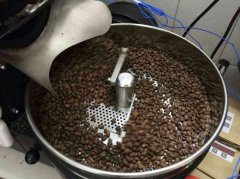
Artisan is a software that helps coffee roasters record the temperature curve of the roasting process, as well as analyze and control the quality of coffee roasting through Artisan. By connecting the computer to a temperature recorder or PID controller (proportional-integral-differential controller), Artisan can automatically create baking curves to help bakers make decisions to change the final coffee style.
Coffee bean baking software Artisan (record baking curve)
Brief introduction of Artisan is software that helps coffee roasters record, analyze, and control roast profiles. When used in conjunction with a thermocouple data logger or a proportionalintegralderivative controller (PID controller), this software can au

Introduction to the varieties of coffee beans produced by grinding scale in Ethiopia
In Ethiopia, the grading and quality control system of coffee is divided into three levels: producer, regional and national. All coffee is inspected by local inspection agencies before leaving the country of origin, and then re-tested at the coffee inspection and grading centers in Addis and Diredawa to determine its quality grade. Coffee is graded before auction and sale, for all involved in production, acquisition,

Ethiopian Coffee Bean Grades Flavors Introduction
In Ethiopia, coffee classification and quality control systems are divided into producer, regional and national levels. All coffees are inspected by local inspection agencies before they leave the country of origin, and then re-inspected at coffee inspection and grading centres in Addis and Diredova to determine their quality grade. Coffee is graded prior to auction and sale, and all participants in production,

Video of grading milking of Ethiopian coffee
In Ethiopia, the grading and quality control system of coffee is divided into three levels: producer, regional and national. All coffee is inspected by local inspection agencies before leaving the country of origin, and then re-tested at the coffee inspection and grading centers in Addis and Diredawa to determine its quality grade. Coffee is graded before auction and sale, for all involved in production,

Boutique coffee beans common sense Ethiopian mocha coffee beans
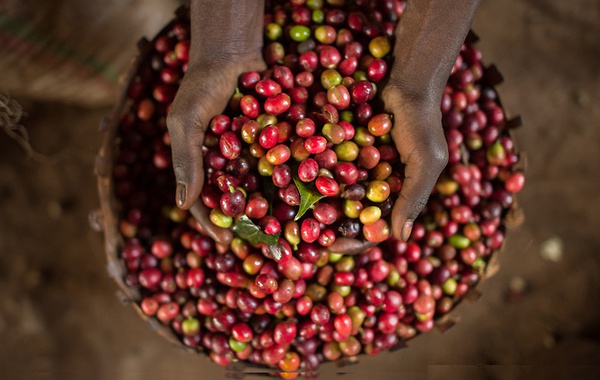
Ethiopia (Ethiopia) is one of the major producers of Arab coffee beans in Africa, producing the best Arab mocha beans in the world. It is said that coffee beans were first discovered by shepherds in the Kafa region of Ethiopia, and the name of coffee evolved from Kafa, so Ethiopia is still the hometown of coffee. Production and processing of coffee beans in Ethiopia
Coffee from Ethiopia, the birthplace of coffee, introduces how Ethiopian coffee powder
Ethiopia is one of the major producers of Arabica coffee in Africa, producing the best Arabian coffee in the world. It is said that coffee was first discovered by shepherds in Essekafa, and the name of coffee evolved from Kafa, so Essex is still the hometown of coffee. The geographical environment of coffee production and processing is very suitable for coffee growth. Coffee is mainly cultivated.

Coffee bean baking software Artisan (record baking curve) barista baker Italian combination of beans
Brief introduction of Artisan is software that helps coffee roasters record, analyze, and control roast profiles. When used in conjunction with a thermocouple data logger or a proportionalintegralderivative controller (PID controller), this software can au

Ethiopian (mocha) coffee
The geographical environment of Ethiopia is very suitable for coffee growth. Mocha coffee is mainly grown in the southern highlands between 1100 and 2300 meters above sea level. The main coffee producing areas are Harar, Limu, Djimma, Sidamo, Kaffa, Yergacheffe and Wellega.

Coffee bean roasting software Artisan records the roasting curve of fine coffee beans
Artisan is software that helps coffee roasters record, analyze, and control roast profiles. When used in conjunction with a thermocouple data logger or a proportionalintegralderivative controller (PID controller), this software can au

Taste characteristics of Ethiopian Coffee Flavor description treatment
Ethiopia's geographical environment is very suitable for coffee growth. Coffee is mainly grown in the southern highlands between 1100 and 2300 meters above sea level. The main coffee producing areas are Harar, Limu, Djimma, Sidamo, Kaffa, Yergacheffe and Wellega. The soil drainage in these areas is good.

Introduction of Ethiopian Coffee Coffee varieties, Brand characteristics, Flavor description, Grinding scale, Fine Coffee
Quality characteristics of Ethiopian coffee flavor description treatment sun-cured coffee accounts for 65% of exports. Mainly picked by families, red coffee beans are placed on cement floors or on high tables to dry to about 11.5% humidity, then peeled and cleaned. Coffee grading and quality control system in Ethiopia, coffee grading and quality control system is divided into producer, regional and national